
Choosing Marvin Windows for a Pacific Northwest Home
Published September 10, 2026 by Mr. Elk Exteriors Inc.
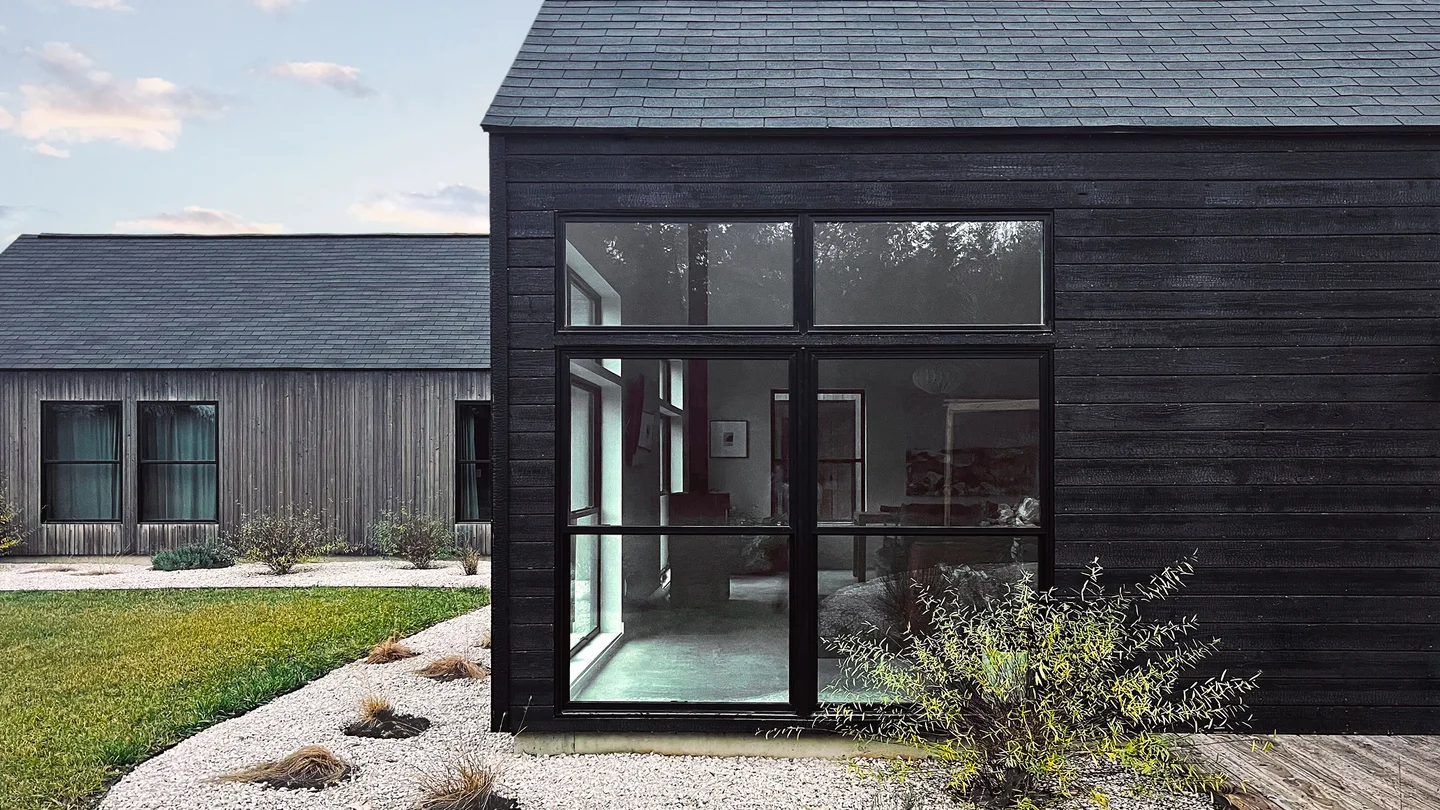
Start with Marvin's collection and material strategy
Marvin's current portfolio is organized around Essential, Elevate, and the Signature collection. Marvin's product navigation identifies Signature Ultimate and Signature Modern as the Signature options, while their collection pages are titled Ultimate Collection and Modern Collection. Confirm the collection, exact window type, and current local availability before designing around a product.
The material choice changes the look and the installation conversation. Essential uses proprietary Ultrex® fiberglass inside and out. Elevate pairs natural wood interiors with Ultrex fiberglass exteriors. Ultimate emphasizes natural wood interiors, broad customization, and aluminum-clad or wood exterior options depending on the selected product. Modern uses proprietary High-Density Fiberglass together with low-gloss extruded aluminum material options. Those are different systems—not interchangeable versions of a vinyl window.
Match the collection to the home's architecture
Essential is Marvin's streamlined option: its current collection page lists awning, casement, direct glaze, double-hung, glider, single-hung, and specialty-shape windows. Elevate is a more traditional, curated offering with warm wood interiors and fiberglass exteriors. Ultimate is the design-flexibility choice when wood species, finishes, hardware, sizing, historic details, or unusual shapes are central to the project. Modern is aimed at authentic contemporary architecture, with minimalist lines, direct-glaze and corner possibilities, and large-scale designs.
Use samples and drawings rather than collection names alone. Compare interior sightlines, frame depth, sash proportions, exterior color, grille pattern, hardware, and the way each opening relates to existing casing and siding. A collection that looks right in a showroom may still need a different installation method or trim plan at an individual opening.
Let operation and glass follow the room
Marvin's listed operating choices vary by collection but include hung, glider, casement, awning, picture or direct-glaze, corner, and specialty shapes. A slider or glider can avoid an outward swing near a walkway; a casement can provide a wide opening where projection is acceptable; an awning can suit some ventilation goals; a fixed or direct-glaze unit prioritizes view but is not an egress opening. Check reachable hardware, cleaning access, screens, furniture conflicts, and bedroom egress.
Ask for the NFRC or other verified whole-unit performance record for the exact size, operating type, frame, and glass package. Compare U-factor for heat transfer and SHGC for solar heat gain in the context of orientation and shade. Marvin's current pages describe two- and three-pane options for some products, but pane count or a Low-E label alone does not establish the performance of the ordered assembly. Do not use a generic rating to promise a particular utility saving.
Select the replacement method opening by opening
An insert or retrofit approach can preserve a sound existing frame and limit finish disturbance, but it can reduce visible glass and leave concealed flashing or perimeter damage unexamined. Full-frame replacement exposes more of the rough opening, which can help address deterioration, revise sizing, and integrate new flashing, while usually requiring more siding and interior trim work. Marvin collection and frame choices do not by themselves determine which method is right.
Pacific Northwest walls need a drainage strategy, not caulk alone. Before ordering, define the sill support and drainage path, flashing laps, head protection, membrane and sealant compatibility, and reconnection to the wall's water-resistive barrier. The contractor should explain what will be removed, retained, repaired, and finished around each opening.
Keep the warranty and installation records together
Marvin's current warranty page links a cross-collection Limited Warranty for Ultimate, Modern, Elevate, and Essential products purchased from an authorized Marvin dealer and installed in the U.S. or Canada. The linked document is fully transferable to the owner of the structure where the product was originally installed, subject to its conditions, exclusions, and effective date. It is a manufacturer warranty—not a promise that every installation, finish, or energy outcome will be covered.
The current document lists different periods by component: standard insulating glass with stainless-steel spacers is warranted against seal failure caused by manufacturing defects and resulting in visible obstruction for 20 years for units up to 60 square feet and 10 years for larger units; non-tempered glass stress cracks caused by manufacturing defects are covered for 10 years; and hardware and other non-glass components are covered for 10 years. It also lists 20 years for standard exterior aluminum cladding finish, 10 years for standard exterior fiberglass cladding finish, and shorter periods for certain specialty or interior finishes. Read the current document for the exact configuration and purchase date, and keep the order, serial, installation, and dealer records.
When windows and siding are both involved, coordinate the sequence so the weather barrier, head flashing, trim, siding clearances, and interior repairs have named responsibilities. Confirm applicable permits, the final collection and configuration, and the written installation scope before work begins.
- Record the collection, material, window type, size, glass, finish, and installation method.
- Check egress and safety-glazing locations.
- Retain Marvin's current warranty document and the dealer and installer records.
Ready to talk through your project? Call (425) 548-4384.
Get a Free EstimateYour questions, answered