
Pella Window Replacement: A Seattle Homeowner’s Guide
Published September 10, 2026 by Mr. Elk Exteriors Inc.
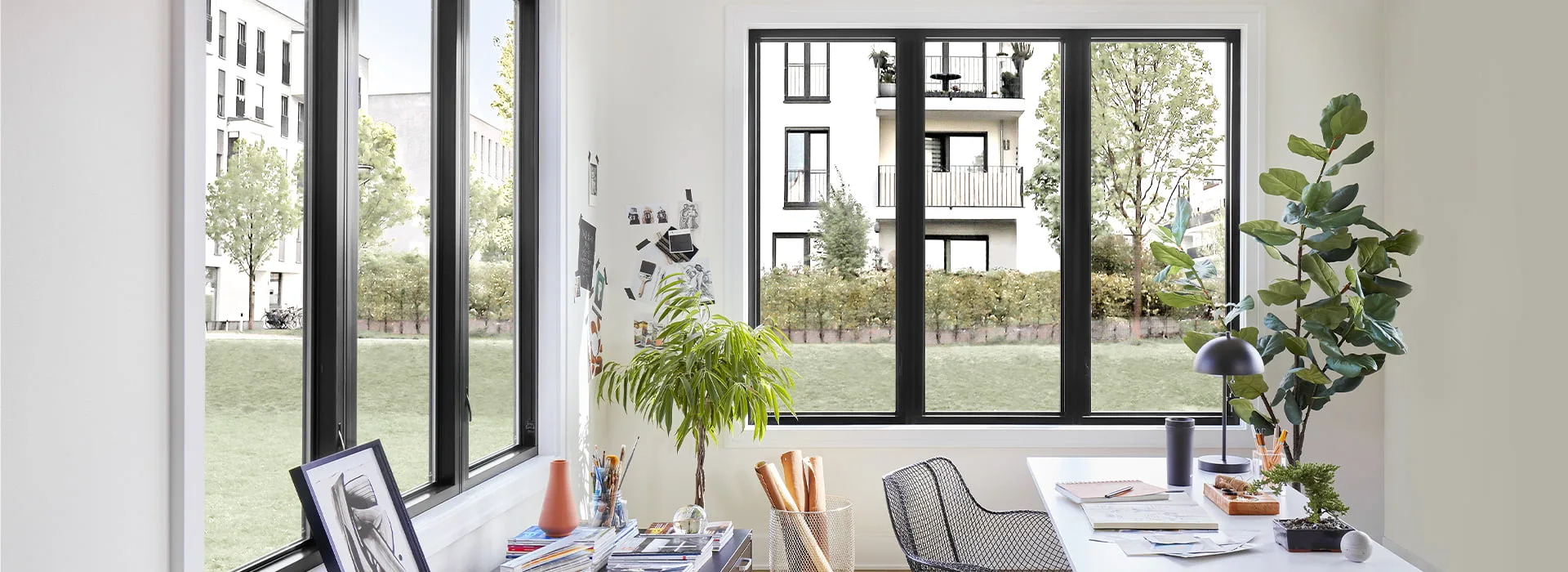
Start with the Pella series and material
Pella Windows are not one universal frame construction. Pella’s current homeowner catalog organizes windows by material and series, including wood Lifestyle and Reserve products, fiberglass Impervia products, and vinyl 250 Series products. Pella also presents additional lines and configurations, so a brand name alone does not specify the frame, exterior finish, glass, or installation method. Begin by writing the exact series and window type into the comparison.
Lifestyle is a wood series with casement, awning, double-hung, picture, bay, and bow options shown by Pella. Reserve is a highly customizable wood and aluminum-clad wood line with traditional and contemporary approaches. Impervia uses Pella’s proprietary fiberglass and presents styles such as awning, casement, double-hung, single-hung, picture, sliding, and bay. The 250 Series is a vinyl line with a broad menu that includes hung, casement, awning, sliding, picture, bifold, bay, and bow windows. Compare a real profile, sample, and dimensioned configuration rather than choosing from a room photo.
- Record the exact series, material, and exterior finish.
- Compare frame depth, visible glass, trim, and interior finish.
- Confirm that the selected style and series are available for the address.
Choose operation and Pella-specific options room by room
Operation should respond to the room and the opening, not only the façade. Casements hinge at the side and swing outward; awnings hinge at the top; hung windows move vertically; sliders travel horizontally; and picture windows prioritize view rather than ventilation. Check furniture, handle reach, screen removal, cleaning access, outdoor paths, bedroom egress, and safety-glazing locations before finalizing a layout. An outward-opening sash needs clearance from decks, walkways, and landscaping.
Pella’s series pages also identify options that should be verified against the order. The 250 Series Hidden Screen is described for its single-hung, double-hung, and sliding windows and folds away when the window is closed. Pella describes an Integrated Rolscreen retractable screen as an option exclusive to traditional Reserve double-hung and single-hung windows. Those features are not interchangeable across every Pella series. Ask for the exact product drawing, screen, hardware, grille, and handing before fabrication.
Compare the exact glass and performance record
A Pella series name does not establish the performance of every size or configuration. Request the current documentation for each ordered window, including frame material, operating style, dimensions, glazing package, glass coating, spacers, grilles, and any screen or specialty configuration that affects the unit. Compare whole-window U-factor and solar heat gain coefficient (SHGC) in the context of the room’s orientation, shade, interior humidity, and comfort priorities. Pane count or a generic Low-E phrase is not a substitute for the record tied to the unit.
Pella describes optional triple-pane glass on some 250 Series products and optional sound-control glass and performance packages for Lifestyle Series products. Treat those as series-specific choices, not brand-wide promises. A north-facing Seattle room, a sunny west-facing room, and a shaded room may need different conversations about solar gain and visible light. Keep the proposal, performance documentation, and final order together so the installed product can be checked against what was selected.
Decide between pocket and full-frame replacement
Pella’s replacement guidance identifies two main installation types: pocket replacement, which typically uses the existing frame, and full-frame replacement, which is more comprehensive and allows greater design flexibility. A pocket approach can limit finish disturbance when the existing frame, sill, and water-management details are sound. It does not automatically correct concealed deterioration or a poorly integrated opening. Full-frame work exposes more of the opening for assessment but commonly involves additional trim, siding, and interior-finish work.
For a Seattle-area home, inspect the opening before committing to either method. Look for movement, staining, soft wood, failed sealant, damaged trim, and signs that the existing flashing or water-resistive barrier is incomplete. Define how the sill supports the window and where incidental water can drain. The installation plan should identify sill, jamb, and head flashing, compatible membranes and sealants, and the connection to the wall’s water-resistive barrier. Manufacturer instructions for the exact Pella product should govern the selected installation detail.
- Document what the pocket method retains and what full-frame work removes.
- Identify visible moisture conditions before final sizing.
- Tie flashing and drainage details to the selected Pella installation guide.
Coordinate Pella windows with Seattle siding and trim
A window replacement changes more than the glass line. Before ordering, decide whether exterior casing, sill, head trim, siding, housewrap, interior casing, stools, and paint are being retained, repaired, or replaced. New frame depth and visible glass can change the proportions of an older home. Grilles, hardware, exterior color, and interior wood finish should be reviewed beside existing trim and adjacent windows, especially when only one elevation is being updated.
Window and siding work should be sequenced as one weather-management scope when both are involved. The written proposal should say how cladding is opened and restored, how the weather-resistive barrier is repaired, where head flashing terminates, and which clearances and finish transitions are included. Review applicable Seattle-area permit or inspection requirements with the responsible party, and retain the manufacturer’s installation packet. Mr. Elk Exteriors can discuss window and siding scope, but this guide does not establish a Pella dealer or authorization relationship.
Keep the order, installation, and warranty records together
Before fabrication, review the Pella order line by line: series, material, window type, size, handing, frame and sash colors, grille pattern, glass package, screens, hardware, trim, and installation method. Pella’s installation guidance recommends understanding the installation process and saving window labels. Photographing concealed conditions before they are covered can also help preserve a project record. At closeout, operate each sash, lock, screen, and crank, then review exterior transitions and interior finish.
Pella publishes warranty documents by product material and series, including separate resources for wood, fiberglass, and vinyl products. The current written document for the actual order should control; do not infer coverage from a general brand statement or assume installation labor has the same terms as the product. Keep the invoice, serial or label information, installation scope, care instructions, and warranty document together. Confirm current sourcing, availability, installer responsibilities, and any permit responsibilities before signing.
Ready to talk through your project? Call (425) 548-4384.
Get a Free EstimateYour questions, answered